Overview
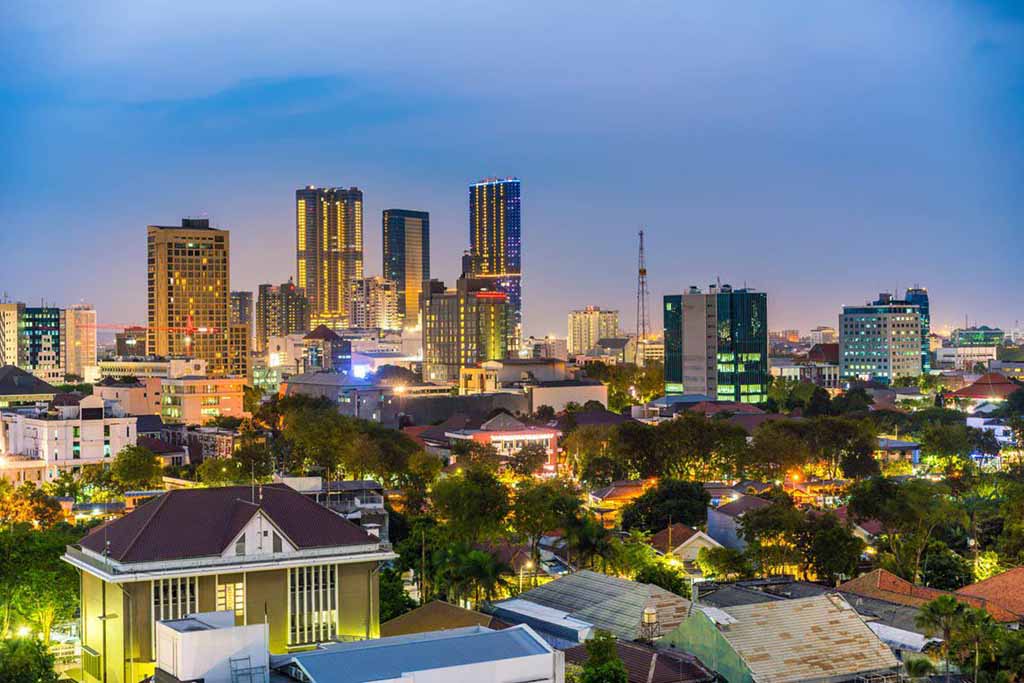
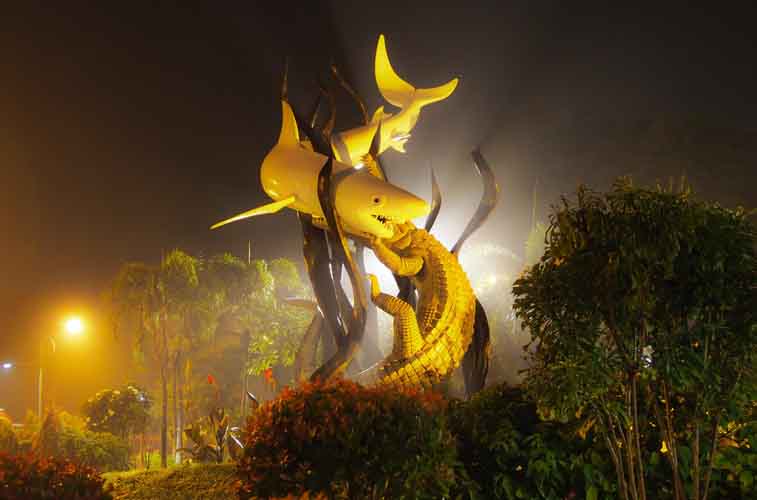
Surabaya, the second largest city in Indonesia after Jakarta, is home to more than 3 million people and serves as the economic, industrial, and educational hub of Eastern Indonesia. Known as the City of Heroes, Surabaya played a pivotal role in the struggle for independence, most notably during the Battle of November 10, 1945. The city’s name is rooted in the legendary battle between Sura (shark) and Baya (crocodile), symbolizing strength and resilience.
Today, Surabaya offers a fascinating blend of modern metropolitan life and deep historical heritage, making it one of the most compelling destinations in East Java. This tour highlights the most representative landmarks to help visitors understand both the heroic past and the vibrant present of Surabaya.
Key Attractions
House of Sampoerna
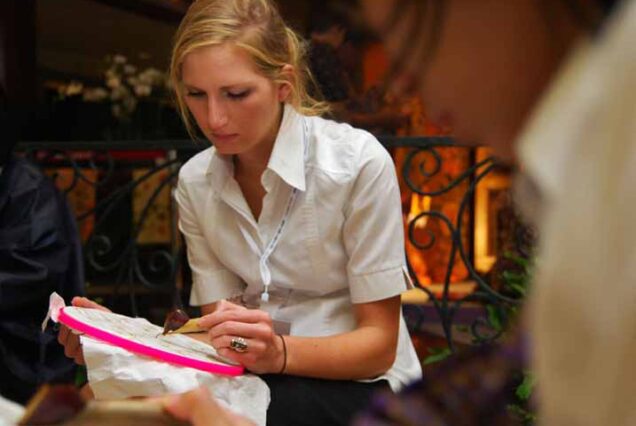
A cultural museum housed in a preserved cigarette factory, the House of Sampoerna showcases the history of tobacco and cigarette production in Indonesia. Visitors can observe traditional hand‑rolling techniques, learn about the growth of the Sampoerna brand, and explore exhibits that trace the spread of cigarette use in Indonesia. The museum also features art galleries and a café, making it a popular stop for history and culture enthusiasts.
Sura and Baya Sculpture
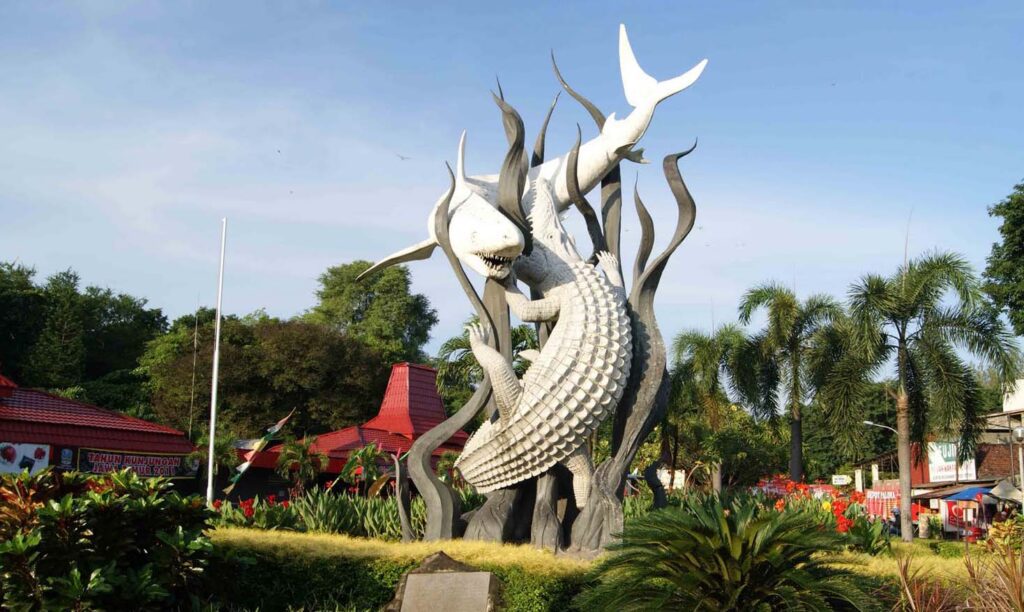
The Sura and Baya statue depicts the mythical battle between a shark and a crocodile, symbolizing the origin of Surabaya’s name. Located at the city’s main entrance and near the Surabaya Zoo, this sculpture has become one of the city’s most iconic landmarks and a favorite photo spot for visitors.
Heroes Monument (Tugu Pahlawan)
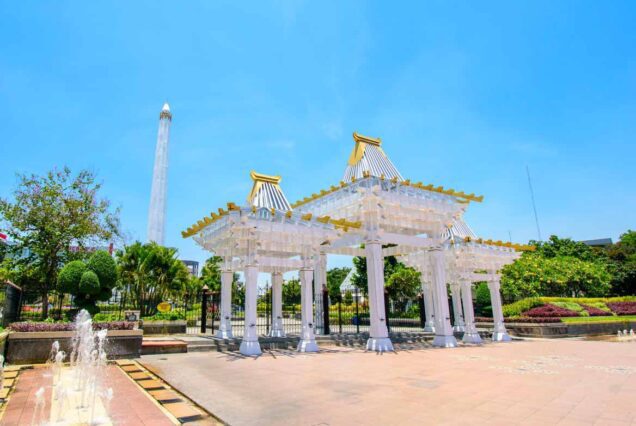
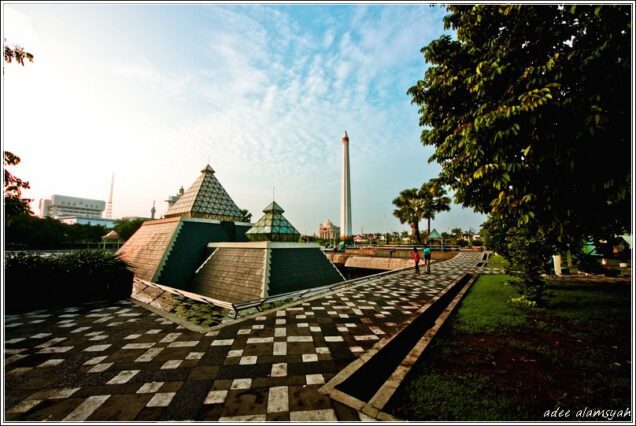
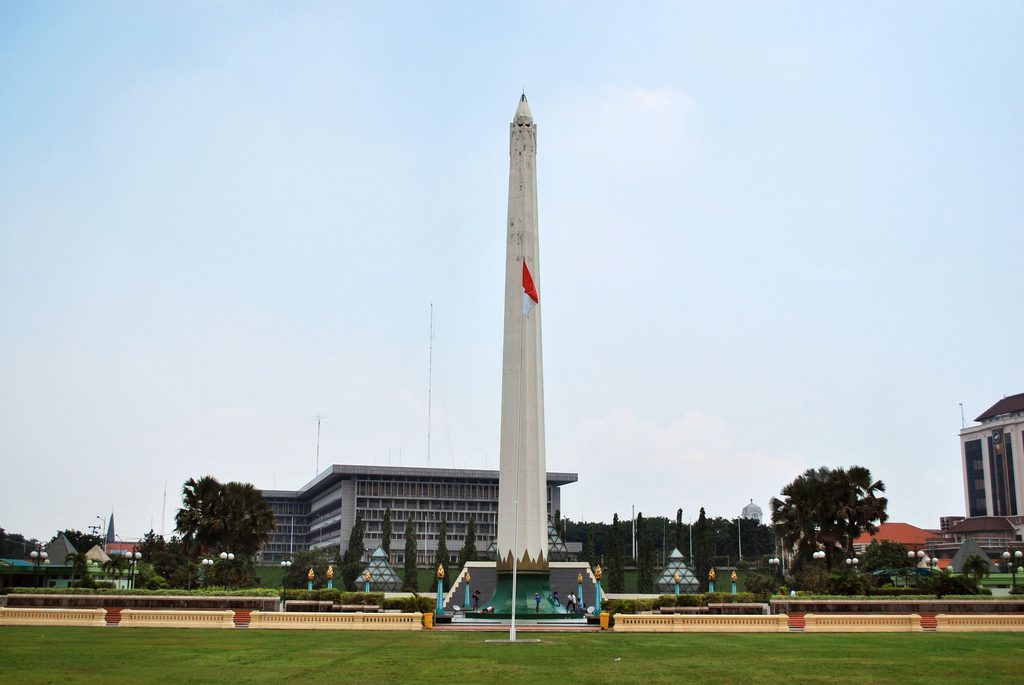
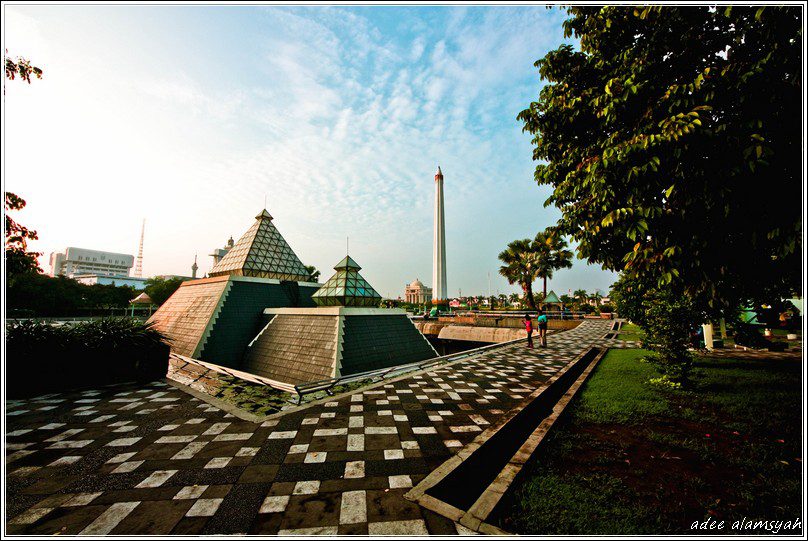
Standing tall in the heart of Surabaya, the Heroes Monument commemorates the sacrifices of the people during the Battle of Surabaya in 1945. The monument is accompanied by a museum that documents Indonesia’s independence struggle, offering visitors a chance to connect with the city’s heroic legacy.
Tugu Bambu Runcing
The Bambu Runcing Monument honors the traditional bamboo spear used by freedom fighters against colonial forces. It symbolizes Surabaya’s identity as the City of Heroes and serves as a reminder of the courage and determination of the Indonesian people.
Suramadu Bridge
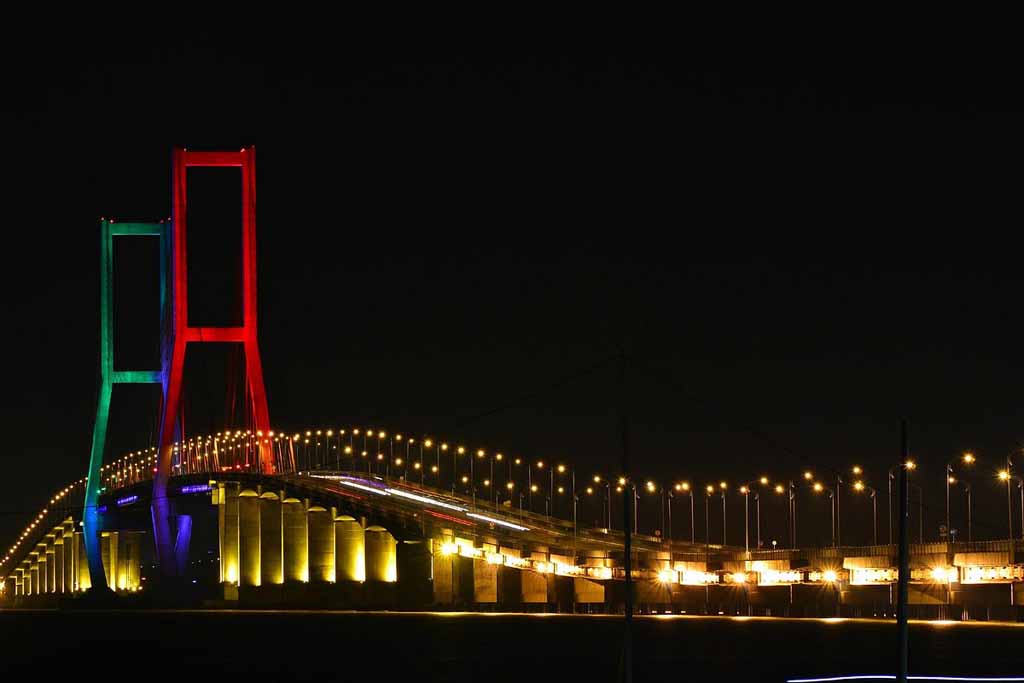
The Suramadu Bridge, stretching 5,438 meters across the Madura Strait, is the longest bridge in Indonesia. Connecting Surabaya with Madura Island, it represents the city’s modern development and ambition. At night, the illuminated bridge offers a spectacular view and has become a symbol of Surabaya’s metropolitan progress.
Kenjeran Park
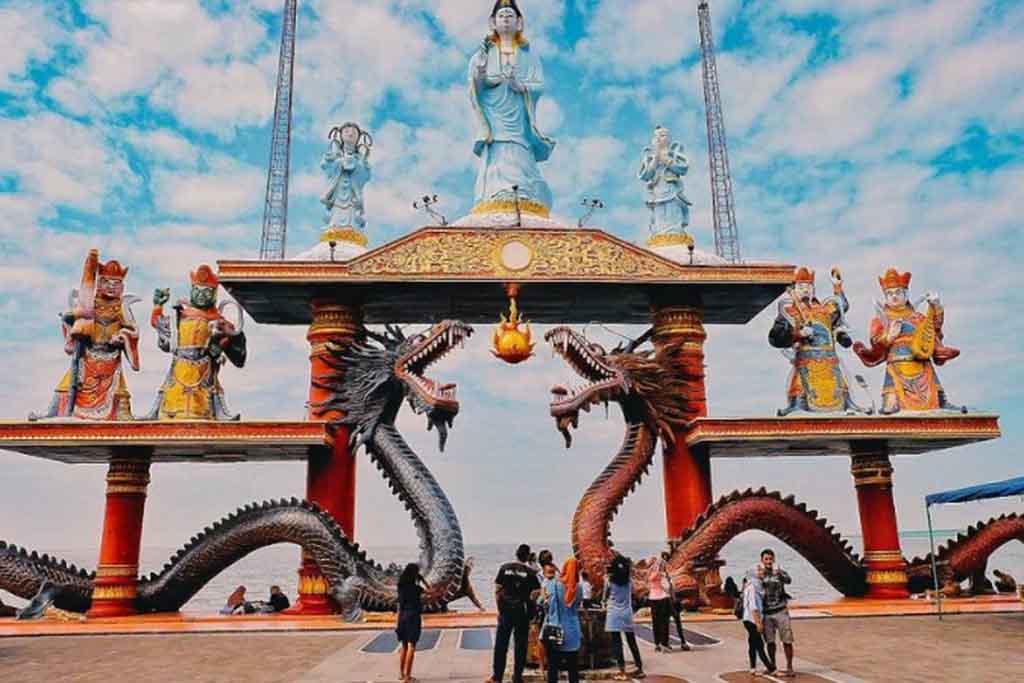
Located along Surabaya’s shoreline, Kenjeran Park combines cultural, religious, and recreational attractions. Visitors can explore statues of the Goddess Kwan Im, Buddhist pagodas, souvenir centers, and enjoy the scenic sunset over Kenjeran Beach. It is a family‑friendly destination blending spirituality and leisure.
Bungkul Park
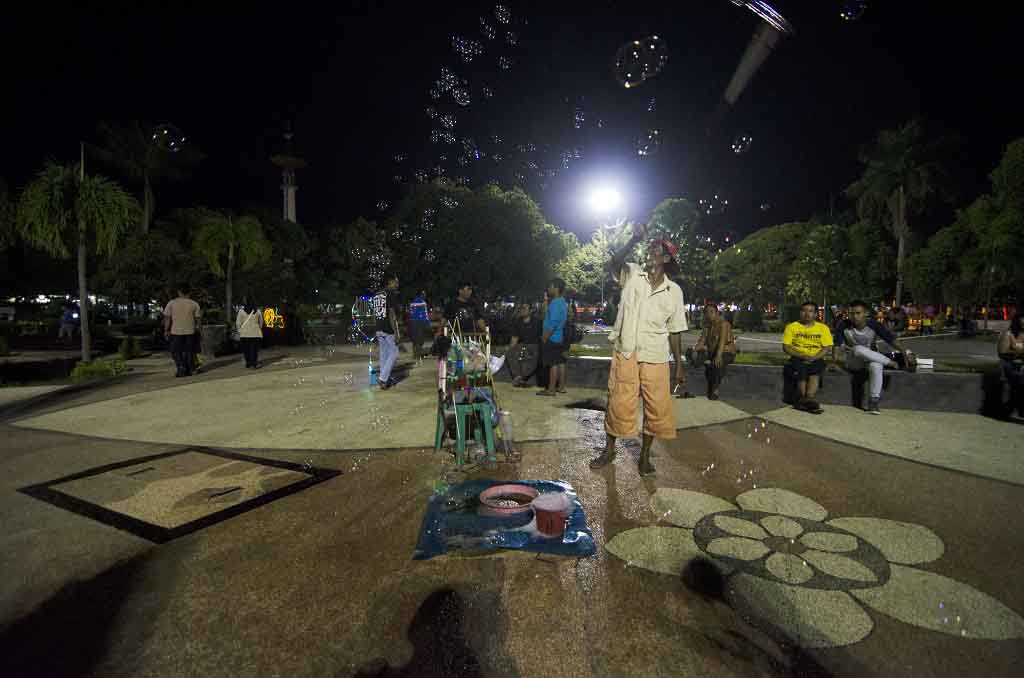
Recognized as one of Surabaya’s most popular public spaces, Bungkul Park is a lively city garden where locals gather for recreation, music performances, and community events. On weekends, art communities host shows, making it a vibrant hub of youth culture and creativity.